Separate dispatch readiness from operational readiness
A module leaving the factory is not the same as a facility ready for people. Transport, unloading, site preparation, service connections and handover all sit between those dates. Time-critical projects need one programme showing these dependencies and the person responsible for each.
Start with the intended use: accommodation, sanitation, administration, welfare or a building shell for a specialised service. Equipment, staffing, operating approval and external infrastructure must be identified separately; a modular building alone does not establish that a specialised facility is ready to operate.
Confirm that the site can receive the buildings
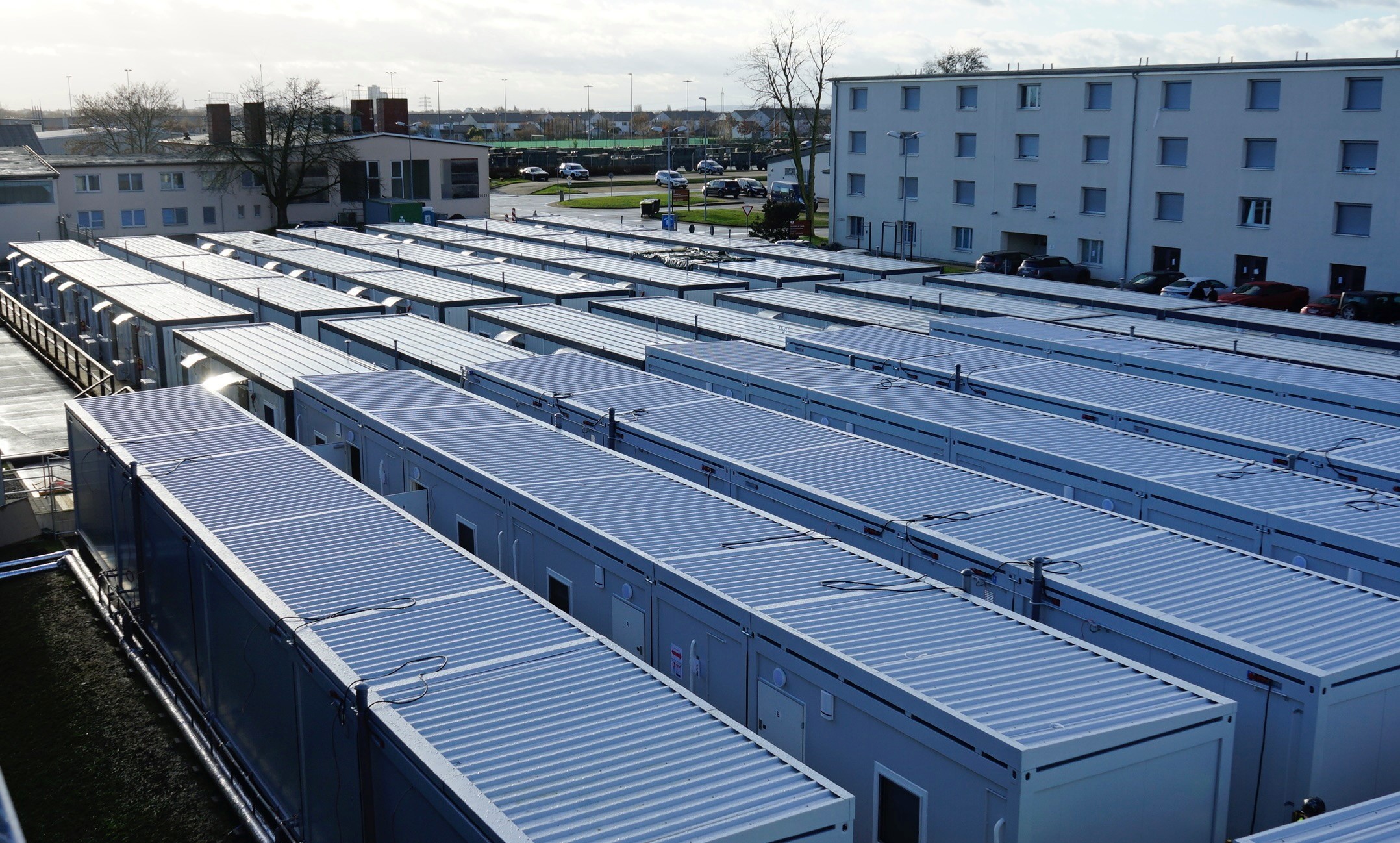
Review final access, ground conditions, lifting arrangements and the support layout before choosing the supply format. A factory-complete module and a flat-pack kit place different demands on transport and assembly teams. Compare the resources actually available at the destination.
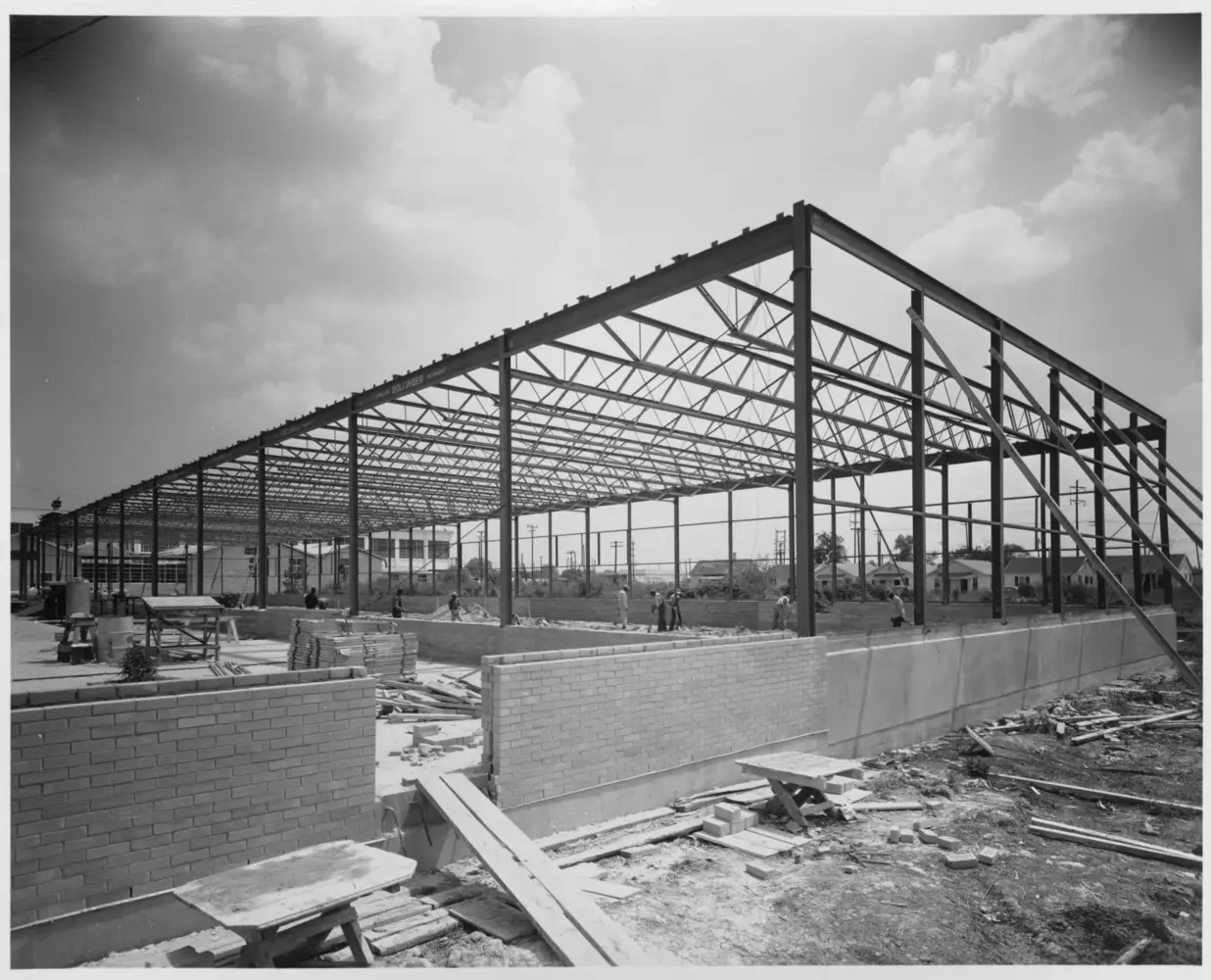
Assign space for staging, protected storage and the installation sequence. Keep circulation and service access visible on the preliminary site plan. Foundations and anchorage must follow the approved project design rather than improvised assumptions.
- Delivery point, access dimensions and unloading arrangements.
- Approved support and anchorage information.
- Assembly team, equipment and protected storage.
- Sequence for bringing each building into use.
Treat water, sanitation and power as work packages
Identify supply sources, connection points and the parties delivering the external networks. Temporary status does not remove the need for safe services, appropriate sanitation, accessibility or local approvals. The responsible designers and operators must agree applicable requirements.
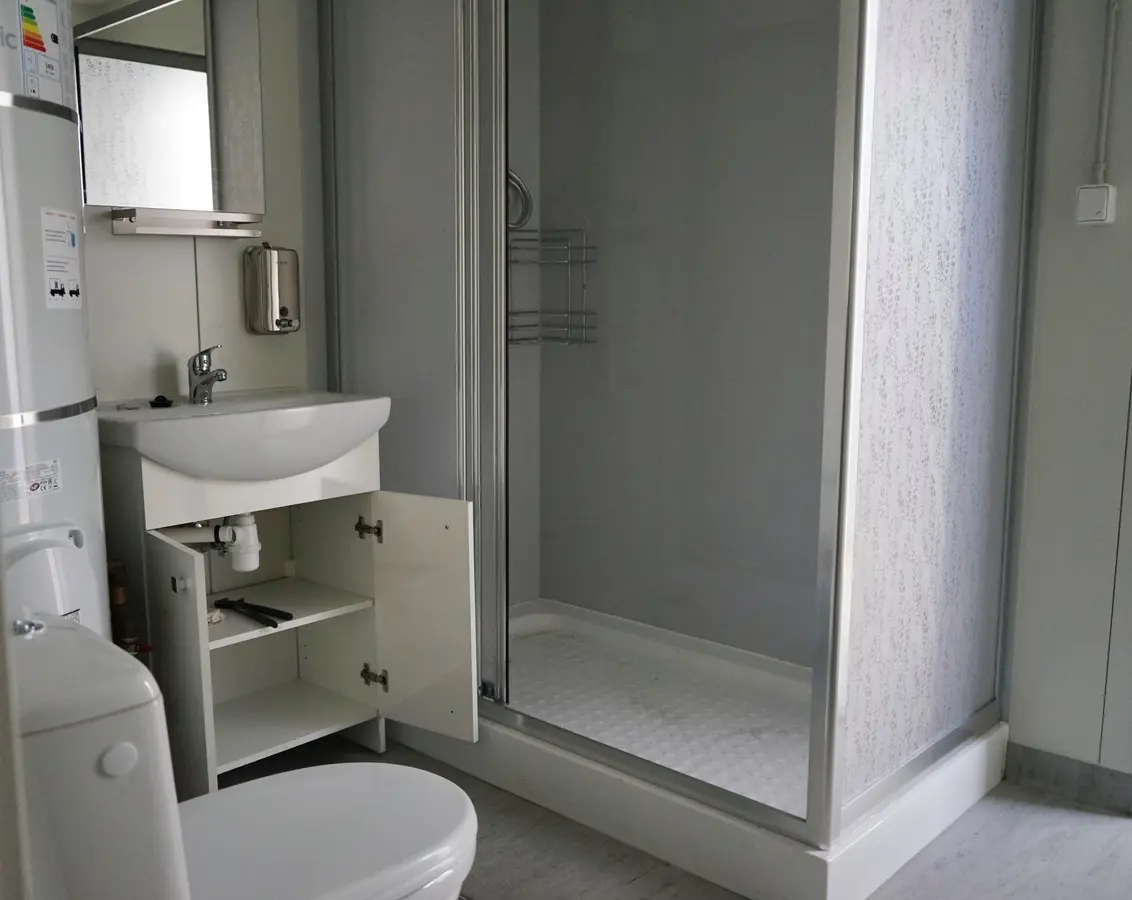
For sanitary facilities, clarify water provision, hot water, wastewater handling, ventilation and cleaning arrangements. For accommodation and welfare buildings, agree lighting, ventilation and thermal requirements for the intended climate and operating period.
Define handover and later relocation
Prepare an acceptance checklist tied to the contracted scope: delivered items, installation checks, service testing, operating information and outstanding works. Assign responsibility for inspection and authorisation to occupy. Do not replace those checks with a general rapid-delivery claim.
If buildings may move again, identify disconnection, lifting, storage and reassembly requirements from the start. Keep drawings, packing identification and service information with the assets. Email the location, capacity, required functions, available site resources and target opening date for an initial review.
This guide supports early procurement planning. It is not a quotation, construction specification or confirmation of local compliance. Final design and supply scope require project-specific review.