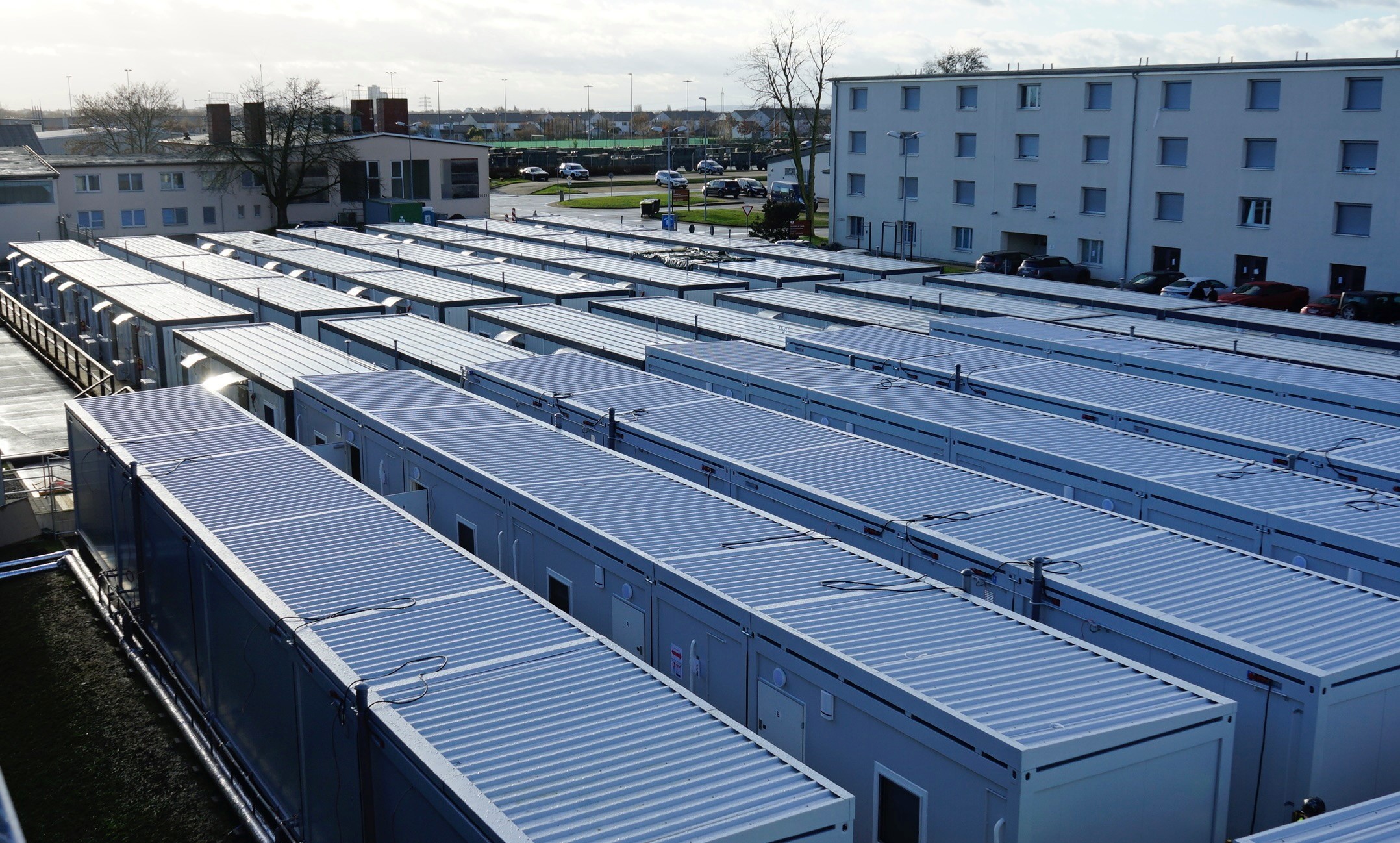
Issue an occupancy schedule
A reliable camp quotation begins with people, shifts and room standards—not a guessed module quantity. Separate management, staff, workforce, visitors and spare capacity. State whether rooms are single, twin or multi-occupancy and whether bathrooms are ensuite or shared.
- Total and phased bed capacity
- Room types and occupancy per room
- Gender and accessibility requirements
- Shift pattern and operating period
List every support building
Accommodation is only one part of an operating camp. The RFQ should identify kitchen and dining capacity, laundry, recreation, prayer, medical, security, administration, maintenance and storage functions. Dining seats should be linked to meal shifts and serving strategy.
Define climate and performance
Provide the exact site location and available climate data. Temperature, wind, snow, seismic exposure, humidity, corrosion, dust and rainfall influence structure, insulation, roofing, HVAC and external circulation.
State the applicable codes, fire strategy, acoustic targets and required material certification where known. Suppliers should identify assumptions rather than silently pricing a standard building.
Separate buildings from infrastructure
Clarify the boundary between the modular package and foundations, roads, drainage, power generation, water treatment, wastewater, fire-water systems and external networks. Utility entry points and peak demands must be coordinated even when site infrastructure is supplied by others.
Set logistics and responsibility boundaries
The RFQ should state the delivery point, preferred Incoterm, port and road constraints, unloading equipment, local labour availability and target operation date. Ask for a preliminary module schedule, master plan, technical specification, packing strategy and responsibility matrix with the commercial offer.
- Factory-complete or flat-pack preference
- Installation team and supervision scope
- Site-access and lifting constraints
- Required programme and phasing